



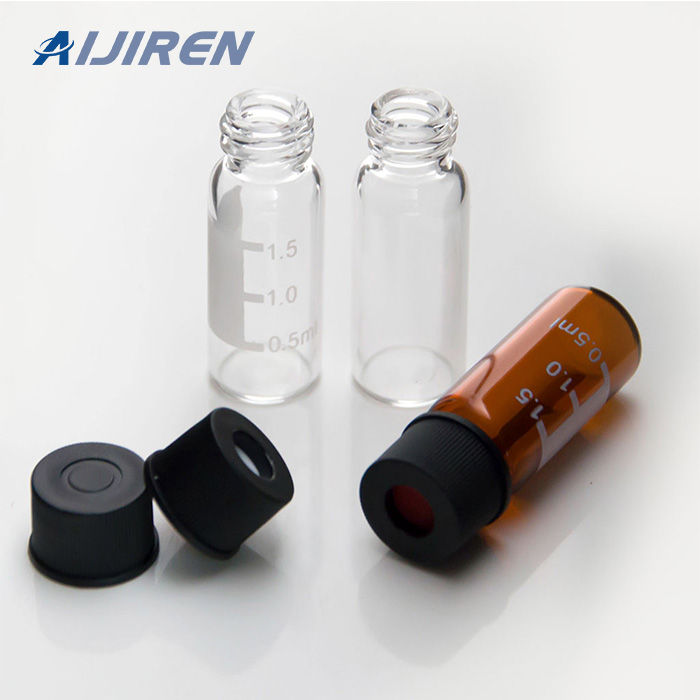








I have watched a septa ruin a 96-well run at 2 a.m. more times than I care to admit. The symptom was always the same: a sudden cluster of ghost peaks, a creeping baseline, or a needle that stopped piercing cleanly halfway through the sequence. In almost every case the septa were the last component anyone suspected, and the first thing that turned out to be wrong. This article is the field guide I wish I had handed to every new analyst on my bench: what actually fails, why it fails, and the ...